Global Commerce Patterns Shaping Resource Distribution Across Software Refinements and Security Upgrades in Data Analytics Retail Platforms
Written by Casey Krüger · Oct 12, 2026

Global Commerce Patterns Shaping Resource Distribution Across Software Refinements and Security Upgrades in Data Analytics Retail Platforms
Retail networks across continents continue to adjust how they split budgets and personnel between coding adjustments that improve user interfaces and defense enhancements that protect transaction data in analytics-driven sales systems, and observers note these decisions often stem from shifting consumer behaviors tracked through real-time dashboards. Data from multiple regions reveals that companies monitor purchase patterns, device usage, and regional disruptions before deciding whether to prioritize interface tweaks or layered security protocols.
Market Signals Driving Allocation Choices
Analysts track how global events such as supply chain interruptions and currency fluctuations alter the weight given to each area, while studies from government statistical agencies show that online sales volumes in October 2026 reached record levels in several markets, prompting firms to reassess where new resources produce the greatest returns. Retail operators examine metrics including cart abandonment rates and breach attempt frequencies to guide whether teams focus on refining recommendation algorithms or strengthening encryption layers around customer profiles.
One European Commission report on digital commerce highlights that platforms serving multiple countries often allocate 55 percent of incremental technology spending to security when cross-border data regulations tighten, whereas those facing intense competition for mobile users shift more toward coding adjustments that speed up page loads and personalize offers. These patterns emerge because analytics systems surface correlations between user drop-off points and vulnerability scans, allowing managers to compare potential revenue gains against projected loss prevention.
Regional Variations in Resource Prioritization
North American retailers frequently direct larger shares toward defense enhancements after high-profile incidents, according to figures released by the US Census Bureau, while counterparts in Asia-Pacific markets emphasize coding adjustments that accommodate diverse payment methods and local language interfaces. Researchers at institutions such as the University of Melbourne have documented how seasonal spikes in mobile traffic lead organizations to test A/B variations in checkout flows before committing to broader security architecture upgrades.
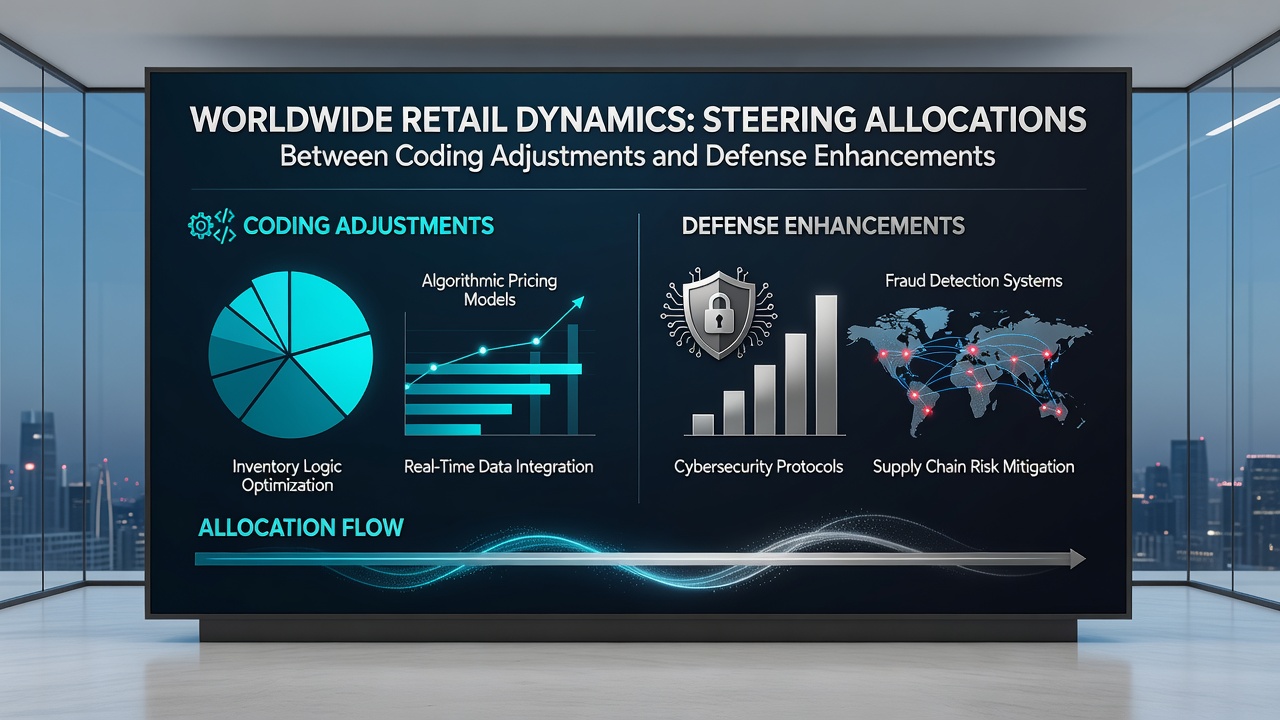
Yet the same datasets indicate that once breach costs exceed certain thresholds, even high-growth markets rebalance toward protection measures, creating cycles where neither category receives permanent dominance. Teams responsible for analytics pipelines play a central role because they supply the quantitative basis for these reallocations, merging sales velocity data with threat intelligence feeds.
Integration of Analytics Tools in Decision Processes
Modern online sales networks embed predictive models that forecast how small coding changes affect both conversion metrics and exposure surfaces, and these models help teams weigh trade-offs without relying solely on historical averages. Industry reports from organizations tracking digital trade note that platforms using unified dashboards reduce the time between identifying a performance gap and implementing either a code patch or an access control update. Such integration matters because fragmented data sources can delay recognition that rising mobile traffic simultaneously demands faster rendering and tighter session management.
Case examples from large retailers illustrate the process: after observing a 12 percent increase in cross-device sessions during October 2026, one network adjusted its allocation to favor coding adjustments that optimized image compression while simultaneously expanding monitoring for anomalous login patterns. The outcome depended on continuous feedback loops where analytics outputs directly informed sprint planning for both development and security squads.
Long-Term Effects on Platform Stability
Over multiple quarters, sustained attention to either side produces measurable differences in system resilience and customer retention rates, adn longitudinal data collected by academic research groups shows platforms that maintain flexible allocation frameworks adapt more readily to new regulatory requirements or emerging attack vectors. Those frameworks typically include quarterly reviews that incorporate inputs from sales analytics, penetration testing results, and competitor benchmarking.
Observers note that the most stable networks treat coding adjustments and defense enhancements as interdependent rather than competing priorities, allowing incremental changes in one area to support goals in the other. This interdependence appears in the way improved logging code can simultaneously enhance user experience metrics and provide richer data for anomaly detection systems.
Conclusion
Worldwide retail dynamics continue to steer how organizations distribute resources between coding adjustments and defense enhancements within analytics-based online sales networks, and the patterns observed through October 2026 underscore the value of integrated data sources that inform both types of initiatives. Retail operators who maintain visibility across performance indicators and threat landscapes position themselves to respond to evolving consumer habits and regulatory landscapes with measured adjustments rather than reactive overhauls.