Analytics Reshaping Resource Distribution in Retail Software Between Campaign Tweaks and Security Fortifications
Written by Elena Jung · Sep 14, 2026
Analytics Reshaping Resource Distribution in Retail Software Between Campaign Tweaks and Security Fortifications
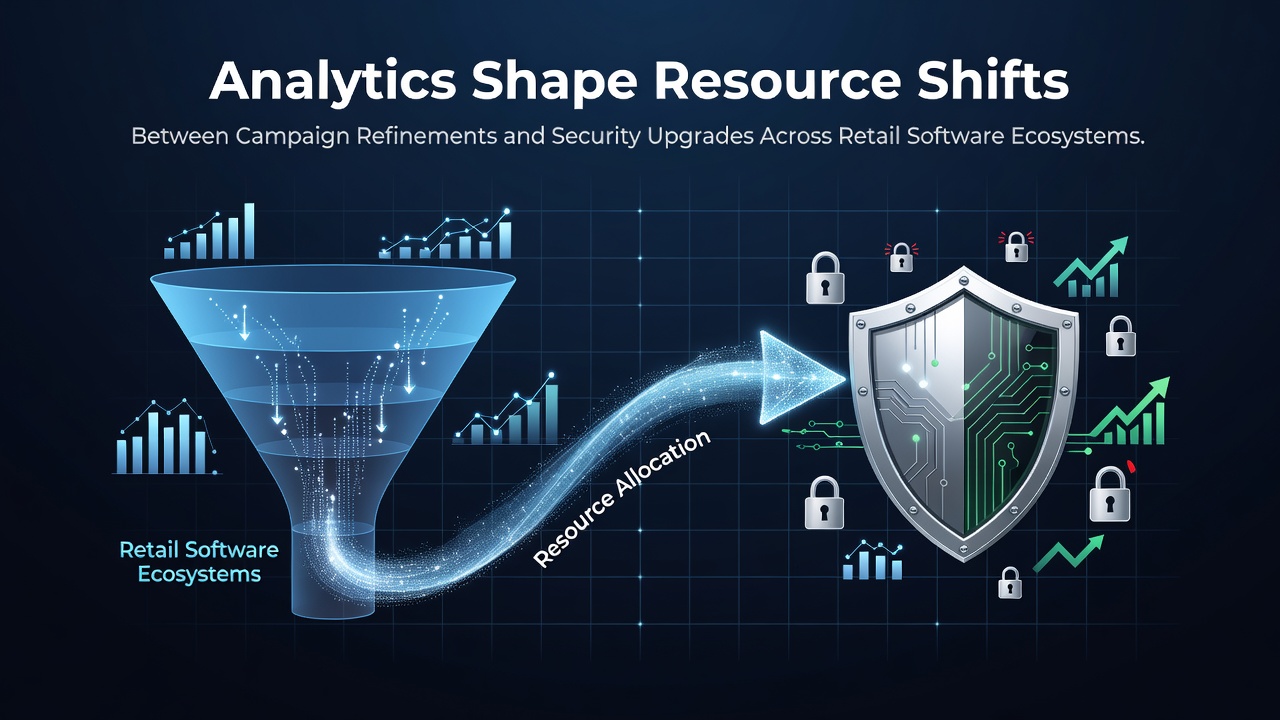
Retail software ecosystems rely on analytics to track performance metrics that influence decisions on where to direct development budgets, and these tools show clear patterns of movement between marketing campaign refinements and security upgrades as user behaviors evolve over time. Data streams from customer interactions, transaction logs, and system vulnerabilities feed into models that quantify returns on investment for each area, allowing organizations to adjust allocations based on measurable outcomes rather than assumptions.
Core Mechanisms Driving Allocation Decisions
Analytics platforms aggregate information from multiple sources including point-of-sale systems, mobile applications, and backend servers, then apply algorithms to identify correlations between promotional activities and threat exposures. Retail operators notice that spikes in campaign engagement often coincide with increased attack surfaces, prompting shifts where portions of marketing refinement funds move toward encryption enhancements or access controls. Studies from the Australian Competition and Consumer Commission highlight how e-commerce platforms in the Asia-Pacific region adjusted priorities during 2025 after analytics flagged rising fraud rates tied to new checkout features.
Those who manage distributed commerce systems report that predictive models now incorporate real-time threat intelligence alongside conversion rates, creating scenarios where a successful ad tweak triggers immediate security audits. This integration means resources flow in cycles, with campaign tools receiving updates when analytics confirm stable user patterns, while security layers gain priority when anomaly detection flags potential breaches.
Observed Patterns Across Retail Platforms
Evidence from industry reports shows retail firms reallocating up to 25 percent of refinement budgets toward security protocols when analytics detect unusual traffic volumes during peak shopping periods. In one documented case, a major North American chain used dashboard insights to pause interface optimizations mid-quarter and redirect efforts to multi-factor authentication rollouts after identifying credential stuffing attempts linked to recent promotions. Such adjustments maintain operational continuity while addressing risks that analytics quantify through probability scores and impact assessments.
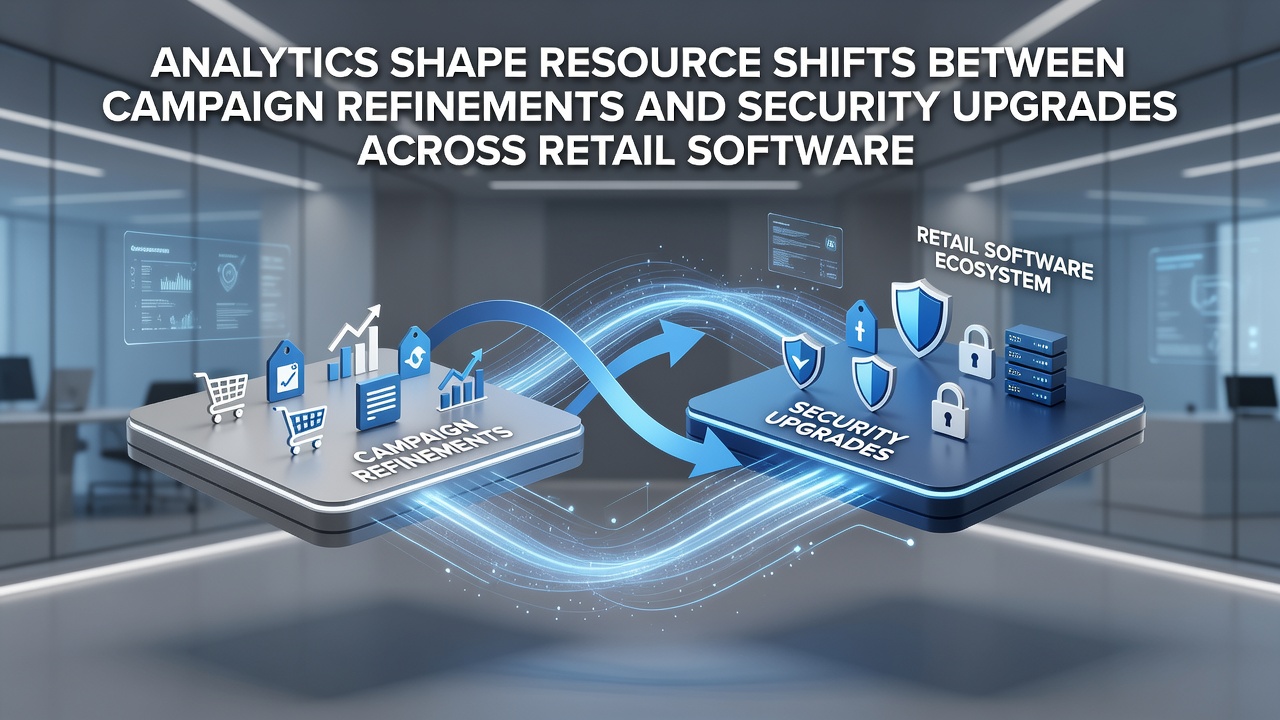
European Union Agency for Cybersecurity data from mid-2025 indicates similar trends in EU-based online retailers, where analytics-driven dashboards prompted resource transfers following regulatory updates on data protection. Observers note that these shifts occur most visibly in environments supporting omnichannel operations, where mobile app refinements and cloud-based security measures compete for the same developer hours and testing resources.
Integration of Data Streams and Decision Frameworks
Modern retail software stacks combine customer journey analytics with vulnerability scanning outputs, producing unified views that guide quarterly planning sessions. Teams examine metrics such as bounce rates alongside patch deployment timelines, then apply weighted scoring systems to determine whether campaign elements require further A/B testing or if firewall configurations demand immediate scaling. This approach relies on historical datasets that reveal recurring sequences, such as post-campaign security incidents that increase remediation costs by measurable percentages.
Researchers at Canadian universities have documented how machine learning models trained on retail transaction data improve forecast accuracy for these resource movements, enabling proactive budgeting rather than reactive reallocations. Platforms that implement these models experience fewer unplanned diversions because analytics surface early indicators of both opportunity and exposure across global user bases.
Future Trajectories and Measurement Approaches
As September 2026 approaches, updated analytics suites incorporate expanded variables from emerging retail channels such as voice commerce and augmented reality interfaces, further refining the signals that trigger shifts between promotional refinements and protective upgrades. Metrics now track not only immediate returns but also long-term ecosystem resilience, with benchmarks drawn from aggregated anonymized datasets across multiple vendors.
Conclusion
Analytics continue to serve as the primary mechanism for balancing resource distribution in retail software ecosystems, providing quantifiable evidence that directs attention between campaign refinements and security upgrades based on evolving operational demands and threat landscapes. Organizations that maintain robust data pipelines gain visibility into these dynamics, supporting sustained performance across distributed commercial environments.